
The Thrill of Uncertainty
The allure of casinos often stems from the thrill of uncertainty. Gamblers are drawn to the unpredictability of outcomes, where each roll of the dice or spin of the wheel holds the potential for a life-changing win. This psychological phenomenon, known as «variable reinforcement,» plays a significant role in sustaining interest and engagement. Unlike fixed rewards, the unpredictable nature of gambling can create a powerful emotional high, keeping players coming back for more. For more information on this exciting field, visit https://labimba.com.au/ to gain further insights into the experience.
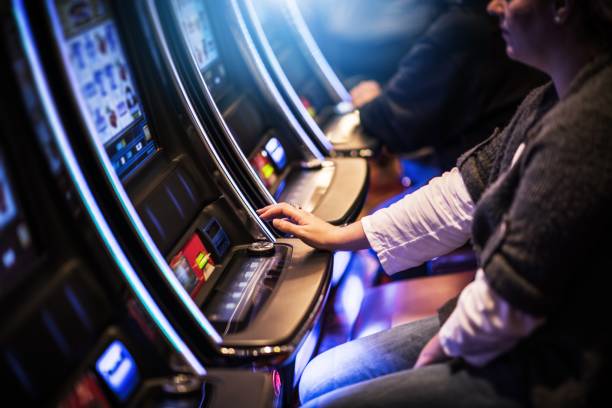
The anticipation that builds before a game or the rush experienced during high-stakes play triggers the release of dopamine in the brain, reinforcing the desire to continue gambling. This biochemical response to risk and reward is similar to that seen in other addictive behaviors, emphasizing how deeply rooted the psychology of gambling can be.
The Social Aspect of Gambling
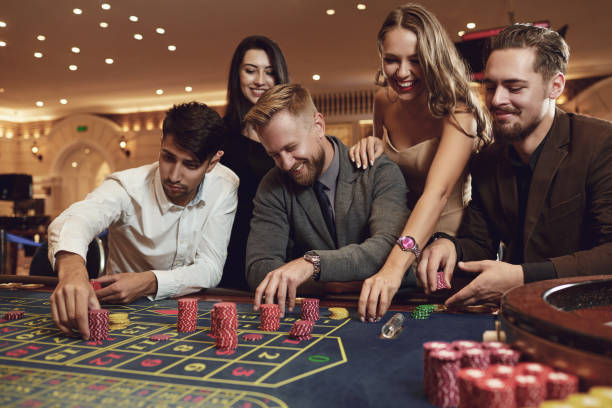
Another compelling reason players return to casinos is the social atmosphere they provide. Casinos are often vibrant hubs of activity where individuals engage with friends and strangers alike. This social interaction can enhance the overall experience, making it more enjoyable than solitary pastimes. The camaraderie built around the gaming tables fosters a sense of belonging, which is crucial for many players.
Moreover, the competitive environment can also motivate individuals to return. Players often share stories, strategies, and successes, creating a community around the gaming experience. This social dimension not only encourages regular visits but also cultivates loyalty to certain establishments, as players form connections with both fellow gamblers and casino staff.
The Psychological Rewards of Winning
The satisfaction derived from winning, even in small amounts, can be a powerful motivator. Casinos are designed to reinforce this feeling, with bright lights, loud sounds, and celebratory atmospheres that enhance the experience of victory. Winning, no matter how small, produces a rush that players crave, often leading them to chase that high again and again.
Additionally, the losers’ psychology can play a role in the return visits. Gamblers may feel compelled to recoup their losses, a phenomenon known as the «gambler’s fallacy,» where they believe subsequent bets will change their fortunes. This mindset can trap players in a cycle of gambling, as they return to the casino with the hope of reversing their luck.
The Impact of Marketing and Casino Design
The design and marketing strategies employed by casinos also contribute significantly to player retention. From enticing promotions to visually stimulating layouts, casinos are crafted to keep players engaged. The lack of clocks and windows, paired with comfortable seating and complimentary drinks, creates an environment where time seems to stand still, encouraging players to remain longer.
Furthermore, targeted marketing strategies, including loyalty programs and personalized offers, can draw players back repeatedly. By making players feel valued and recognized, casinos can foster a sense of loyalty that keeps them returning, reinforcing the psychological ties that bind them to the gaming experience.
About Our Website
This website serves as a resource for individuals seeking to understand various aspects of the gambling industry, including the psychological elements that drive player behavior. We aim to provide insights into the motivations behind gambling and the implications of these behaviors.
Whether you are a casual observer or an avid gambler, our comprehensive content is designed to educate and inform. By exploring the intricate psychology of gambling, we hope to enhance your understanding of why individuals are drawn back to the vibrant world of casinos.
